










Guest Author
Latest from Guest Author
GUEST COLUMN

Cloud repatriation is a hot topic for CIOs. Don’t do it.
Times are tough, but that doesn’t mean chief information officers aspire to make them tougher. Yes, I’m talking about cloud repatriation, or the practice of moving workloads out of the cloud and back into private data centers. But, no, you shouldn’t do it. For every 37signals that moves a workload back on-premises, there are tens ...
GUEST COLUMN

Dear Twitter employees: Welcome to a new world
Twitter is a company made up of thousands of employees with many different perspectives on what Twitter will be like with Elon Musk at the helm. Some are mortified, some may feel liberated and some just want to make it to their next paycheck. There is no sense in sugar-coating it: Over the next few ...
Industrializing the Kubernetes platform at Kubecon 2022

The cloud native ecosystem is currently going through its own kind of industrial revolution, so it seemed fitting that the Cloud Native Computing Foundation held its blockbuster open-source KubeCon + CloudNativeCon North America 2022 event this week in Detroit, where the world’s first auto assembly line was set in motion over a century ago. Much ...
GUEST COLUMN

How to drive innovation and growth with cloud technology
Digital transformation is no longer a technology consideration. It is a business priority. Whether it be financial services, public sector or healthcare, organizations of all types must now embrace modern technologies in order to drive growth and innovate. One of the key tenets of digital transformation is leveraging the power and flexibility of cloud technology for ...
GUEST COLUMN

Five ways to tell whether Kubernetes is a good fit for your app – or not
In many tellings, the path to application modernization goes like this: First, you refactor your application into microservices. Next, you containerize each service. Finally, you deploy it on Kubernetes, the open source orchestration engine that has become the de facto platform for running containerized apps. The thing is, not all modernization stories follow this narrative. ...
Clear technology debt to reduce risk and grow revenue

Relying on legacy technologies can create business risk and stifle revenue growth. Information technology leaders must highlight the opportunities that will emerge from addressing technology debt. In the fight against inflationary economic headwinds, enterprises need innovation and growth more than ever. However, technology debt often creates unnecessary costs and risk, holding businesses back from optimization ...
GUEST COLUMN

Data privacy imperative will drive adoption of warehouse-native applications
Today’s privacy-conscious environment presents mounting challenges for enterprise data processing infrastructure. The confluence of legislation and consumer sentiment is pressing both digital natives and transforming enterprises to reshape their customer data strategies to embed data privacy in their operations. In reaction, enterprises are reorienting how they collect and process customer data to optimize around consent, ...
With $7.5M in seed funding, LayerX wants to secure every kind of web browser

Israeli cybersecurity startup LayerX Security Ltd. is exiting stealth mode today armed with $7.5 million in seed funding. It’s pitching a “user-first” web browser security offering that’s designed to prevent malware infections and prevent so-called “phishing” attacks that result in data loss and compromised passwords. Today’s funding round was led by Glilot Capital Partners and Kmehin ...
GUEST COLUMN

How UiPath hopes to reinvent enterprise automation
Given the rapid growth that robotic process automation leader UiPath Inc. has shown over the last few years, it’s no wonder that the small robotics process automation pond isn’t enough for the company to swim in. Instead, it wants to be the big fish in the expanding enterprise automation lake. I covered last year’s Forward ...
GUEST COLUMN
How IT leaders can embrace responsible AI
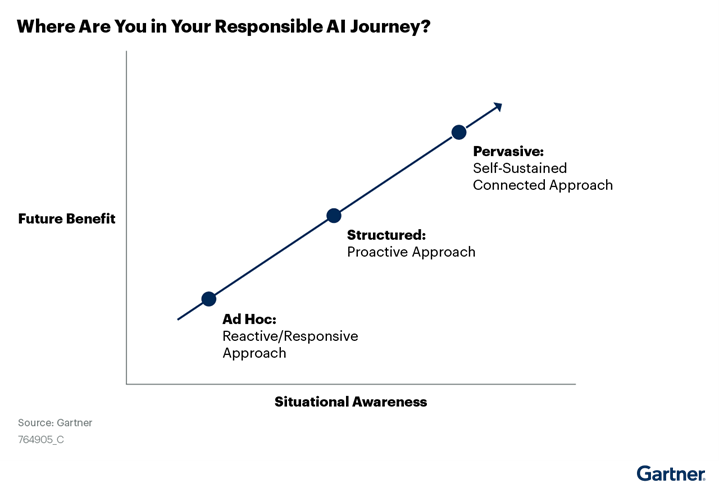
When artificial intelligence augments or even replaces human decisions, it amplifies good and bad outcomes alike. There are numerous risks and potential harms created by AI systems, including bias and discrimination, financial or reputational loss, lack of transparency and explainability, or invasions of security and privacy. Responsible AI enables the right outcomes by resolving dilemmas rooted ...