






Kelly Knight
Latest from Kelly Knight
AMD and Red Hat target enterprise AI costs with broader compute choice
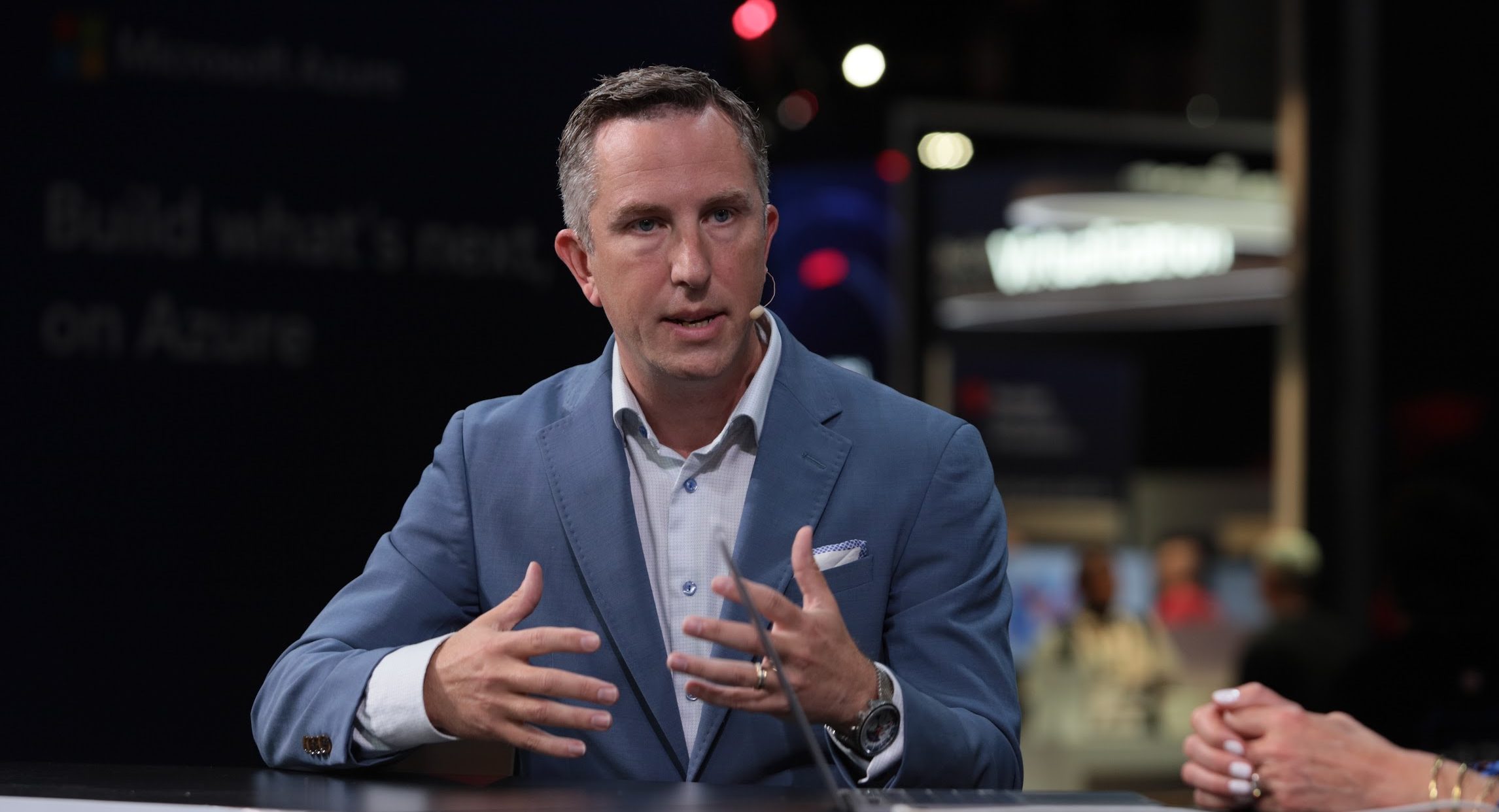
Enterprise AI adoption has crossed a threshold: The question is no longer whether to invest, but how to do it wisely. As agentic workloads multiply and inference costs rise, AI choice — the ability to match workloads to the right compute rather than defaulting to the most powerful infrastructure available — has become a growing ...
AWS and Atlassian reframe AI as an organizational challenge, not an IT one

Enterprises racing to achieve true AI-native status are discovering that the technology gap is often the smaller obstacle. Instead, the harder challenge is reshaping the people, processes and organizational structures that AI must ultimately run on. As AI-driven workflows transform how enterprise teams plan, build and deliver, the pressure on large organizations to modernize their ...
Enterprise AI deployment is creating a security blind spot traditional architectures can’t handle

Enterprise AI deployment has fundamentally expanded the cybersecurity attack surface, turning data pipelines, model training environments, identity management systems and supply chains into prime targets that traditional security architectures were never designed to defend. The shift from conventional applications to AI factory infrastructure introduces a new class of exposure that organizations are only beginning to ...
Devs are spending only 16% of their time coding. Atlassian is engineering AI to reclaim the rest

The rise of AI coding agents has commoditized code generation, exposing a deeper challenge for software teams: the non-coding friction that consumes the vast majority of a developer’s day. Fixing that gap — not writing more code faster — is fast becoming the defining developer experience opportunity of this AI cycle. Atlassian Corp. is betting ...
Atlassian looks to the pit lane for the winning edge in the enterprise AI race

Enterprise productivity has long been measured by output and headcount, yet the tools and overhauls meant to improve it keep delivering diminishing returns. The discipline software teams quietly perfected over two decades may now hold the answer — and a Formula One team might be the proof of concept. Most enterprise productivity approaches focus on ...
As agents reshape the enterprise, organizations are being forced to rethink the very nature of work

Sovereign AI is changing more than technology stacks — it’s forcing organizations to confront who governs the workforce and what the very nature of work itself has become. The shift is far more than just technical. As organizations embed AI directly into operations, the human layer — hiring, training, managing and motivating workers — must ...
Sovereign AI puts government agencies at a crossroads between ambition and accountability

Governments worldwide are racing to show progress on AI, but the gap between declaring sovereign AI ambitions and actually deploying systems that mission operators will trust is widening fast. No place feels that tension more acutely than the public sector. As federal agencies face mounting pressure to move beyond chatbot pilots toward AI that can ...
The model wars are over. Now, Google is fighting for something bigger
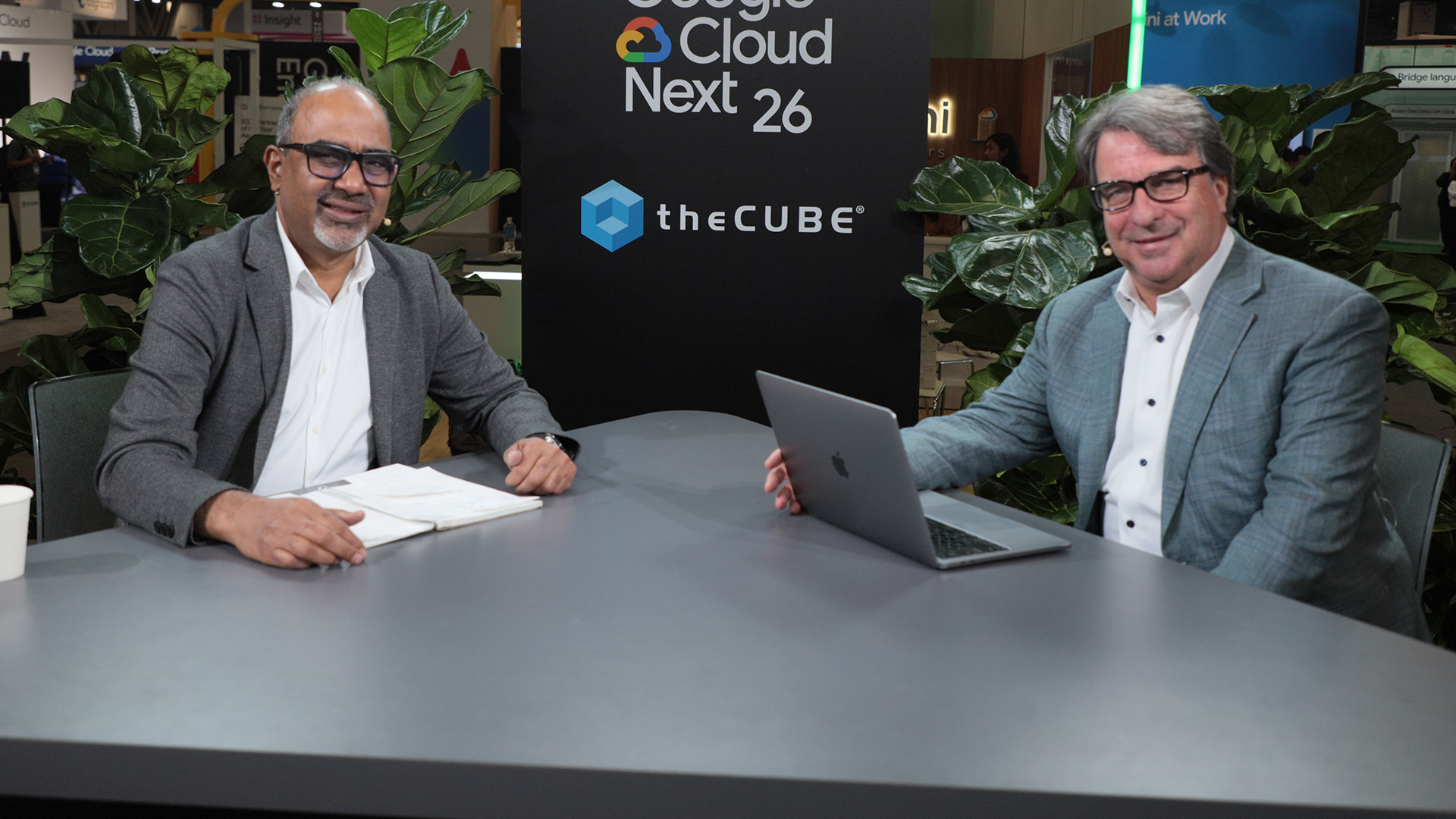
Whoever controls the agentic control plane controls enterprise AI. Google LLC just showed up to that fight with everything it has. The company claiming it can own the full stack arrived at Google Cloud Next 2026 firing on all cylinders, including unveiling the new Gemini Enterprise Agent Platform — but the deeper story was about how that ...
Inside Deloitte and Elevance Health’s push to keep humans at the center of AI-driven care
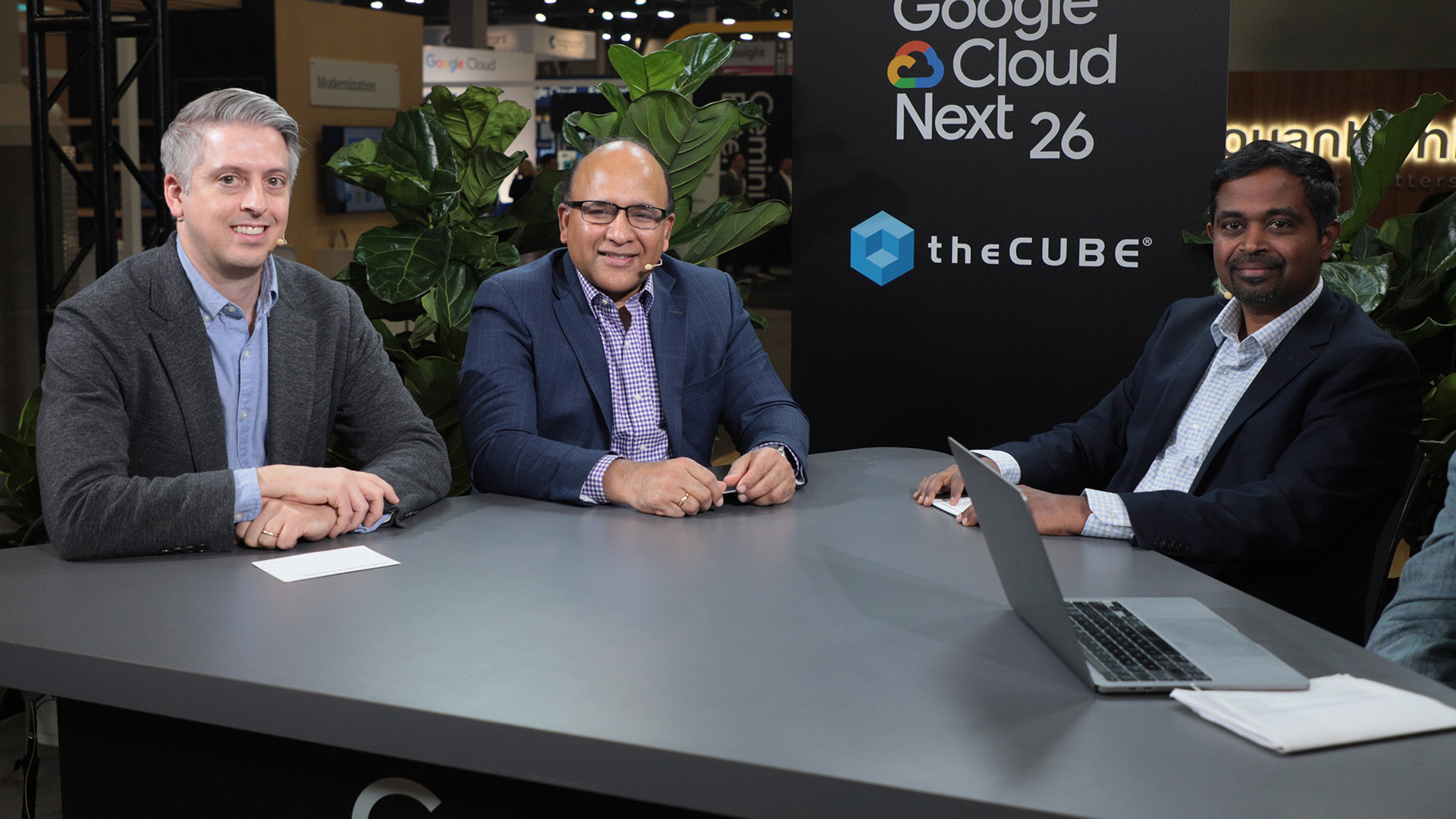
As AI transforms healthcare operations, the industry’s most consequential challenge has shifted from building models to deploying them responsibly in regulated workflows where trust, accuracy and human judgment must coexist. This is where human-centered AI healthcare becomes essential, ensuring automation supports faster decisions without displacing the expertise and empathy required in care-related workflows. The challenge is ...
Enterprises turn to runtime security to close the agentic AI trust gap

As enterprises push agentic AI out of the proof-of-concept phase and into production, AI runtime security — the ability to enforce policy at the exact moment an agent acts — is proving to be the bedrock that makes autonomous systems safe enough to trust. The shift from cloud-native to AI-native is accelerating across every business ...